
Most common
Spiders control
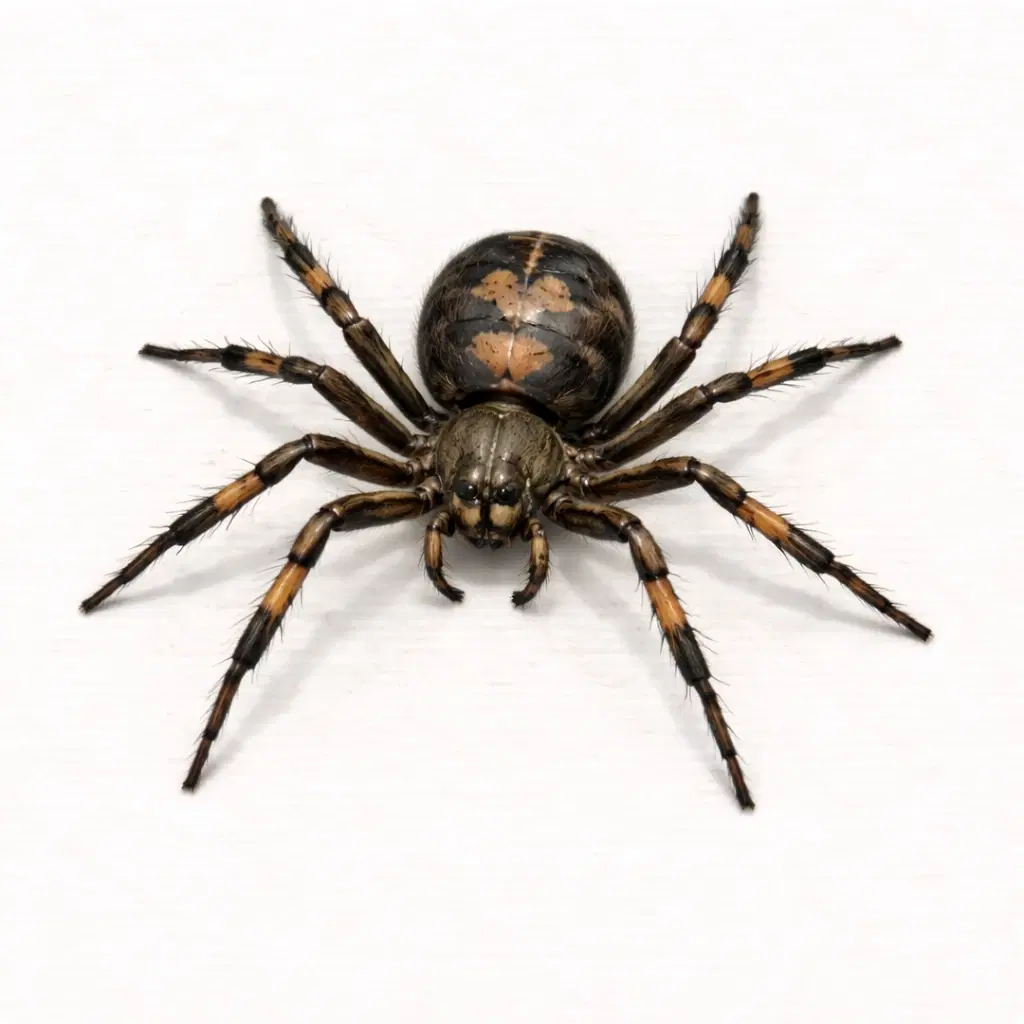
Webs around eaves, garages, and corners follow insect activity; exterior treatments and sanitation reduce pressure.
When to call
Call dispatch if any of these are true. We will confirm coverage and next steps.
- Recurring webs within days of cleaning
- Spiders appearing in bedrooms or near infants
- Warehouse or dock areas with high insect pressure
Quick facts
Fast answers for dispatch and planning
Share what you are seeing and how long it has been active.
- Webs build near lights, eaves, and garages.
- Spider pressure follows insect activity.
- Most are nuisance but some can bite.

Service match
These programs cover spiders issues and follow-ups.
Signs of infestation
What you are likely to notice
Use these cues to confirm activity and share it with dispatch.
Signs you will notice
- New webs appearing after cleaning
- Spider sightings indoors near windows and doors
Identification cues
- Webbing in corners, eaves, garages, and storage areas
- Occasional larger spiders near lights or windows
Why it is a problem
Health, property, and operational impact
Use these impacts to prioritize next steps.
Why it matters
Web buildup and occasional bites are common in high-traffic areas.
Risks to monitor
- Some species can bite when disturbed
- Web buildup impacts curb appeal and sanitation scores
DIY vs professional
Safe first steps and when to bring in a pro
Follow label directions and avoid DIY treatments that spread activity.
What you can do now
- Knock down webs regularly and clean corners.
- Seal gaps around doors and windows.
- Reduce night lighting that draws insect prey.
When to call a professional
- Treat exterior entry points and eaves.
- Address insect prey pressure with targeted service.
- Provide lighting and sanitation recommendations.
Treatment approach
Inspection-first plans tailored to your pest pressure
Our team confirms activity and builds a treatment plan for your property.
What our approach looks like
- Inspect eaves, garages, and entry points.
- Apply exterior treatments and remove webs.
- Adjust service based on insect pressure.
residential program
GuidedWe start by confirming where activity is coming from and why it's happening.
- Inspect kitchens, baths, attics, baseboards, and exterior entry points.
- Identify moisture, food sources, and common travel paths.
- Confirm activity level and construction type to guide precise placement.
- Review safety considerations to protect families and pets.
Targeted treatments designed to reduce activity quickly without disruption.
- Apply baits, monitors, or crack-and-crevice treatments where pests travel.
- Treat exterior perimeters and entry points to prevent re-entry.
- Avoid unnecessary broad spraying to reduce exposure.
- Explain what was applied, where, and when areas are safe again.
Simple steps that help treatments work better and last longer.
- Clear access to sinks, baseboards, and attic areas before service.
- Pick up pet bowls, toys, and personal items in treatment zones.
- Follow drying and re-entry guidance after the visit.
- Share prior pest history or sensitive areas if applicable.
commercial program
GuidedLighting and entry-point recommendations for warehouses and docks.
Documentation-driven inspections that support consistency and compliance.
- Inspect food prep areas, storage, restrooms, and utility spaces.
- Identify entry points, sanitation gaps, and environmental contributors.
- Assess pest pressure and facility layout.
- Record findings for service logs and audit readiness.
Ongoing service tuned to operational risk and pressure level.
- Scheduled exterior service based on pressure and site needs.
- Interior monitoring or treatment as required.
- Refresh baits and document readings for regulated environments.
- Provide coverage if pests return between visits.
Prevention tips
Reduce future activity with smart prevention
Small adjustments keep pressure lower between visits.
Prevention tips
- Seal gaps and install door sweeps.
- Reduce clutter and storage near walls.
- Maintain exterior lighting and vegetation.
Prep & aftercare
- Knock down webs before service so treatments reach surfaces.
- Seal gaps around windows and doors to limit insect entry.
- Limit night lighting that draws insect prey.
FAQs
Answers from dispatch and technicians
Common questions we hear before a visit.
How often do I need pest control service?Expand answer
Most homes do well on a quarterly exterior service with interior treatments as needed. High-pressure or commercial sites may benefit from monthly visits.
Do I have to sign a long-term contract?Expand answer
You are offered ongoing programs for consistent protection, but we focus on clear communication instead of confusing long-term commitments.
Is the treatment safe for my family and pets?Expand answer
We use labeled products and application methods designed to minimize exposure while staying effective against target pests. Your technician will explain any prep steps.
Next step
Need help with Spiders?
Request an inspection and get a plan tailored to your property.